Barbara Jordan, a trailblazer for women, was a political force and a trusted voice on a number of hot-button issues facing Texans, including immigration, voting rights, and equal rights for women. Her legacy continues to live on, so much so that the Houston Chronicle Editorial Board recently said President Trump should look to Jordan’s past leadership on how to handle the current immigration crisis facing Americans. So, how did Jordan become a changemaker for Texans?
Jordan’s Early Years in Houston
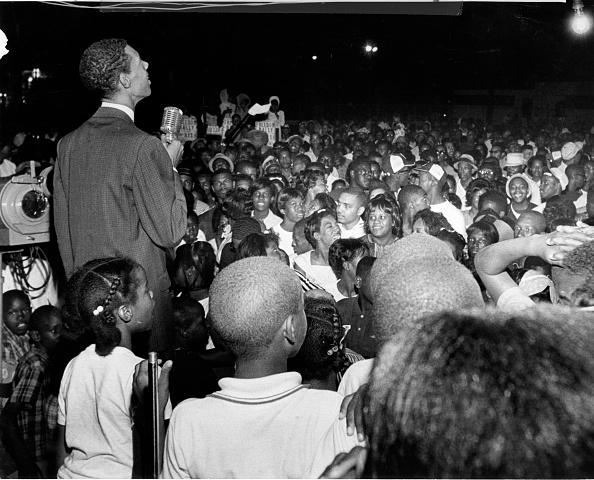
Jordan was born in 1936, growing up alongside her mom, dad, and two sisters in Fifth Ward. As a student at Phyllis Wheatley High School, Jordan heard a speech at career day by Edith Sampson, a African-American lawyer, and was inspired to become an attorney. She was part of the inaugural class at Texas Southern University and helped lead the university’s debate team to national fame. TSU’s team even tied with Harvard at one competition in Houston. After graduation, Jordan attended law school in Boston. She didn’t stay away from her hometown long though. After passing both the Massachusetts and Texas bar exams and a brief teaching stint, she returned to Houston and worked from her parent’s home until she saved enough to open up a law office.
Jordan Transforms Into a Political Force
The 1965 Voting Rights Act, which allowed more African-Americans to register to vote, helped Jordan, a Democrat, get elected as the first Black state senator since 1883. She quickly made a name for herself, pushing for minimum-wage laws and equal rights for women. Together, she and Frances “Sissy” Farenthold, the first woman elected to the Texas House, proposed an amendment to the Texas Constitution to guarantee equal rights for women.
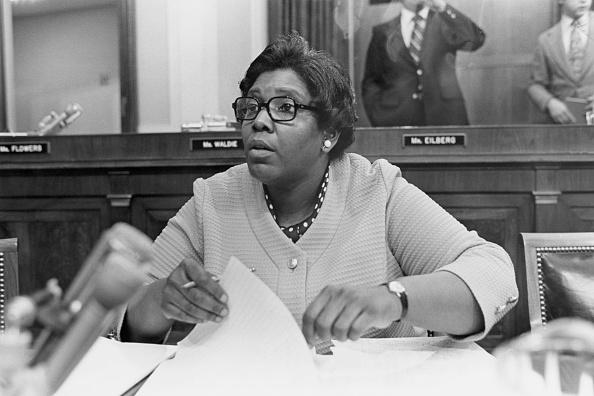
In 1972, Jordan was elected to Congress, becoming the first Black woman from a Southern state to serve in the U.S. House of Representatives. She gained national attention in 1974 when she spoke up during the Watergate hearings, saying, “I am not going to sit here and be an idle spectator to the diminution, the subversion, the destruction of the Constitution.” One of Jordan’s most important achievements as congresswoman was pushing for Hispanics to be included in the expansion of the Voting Rights Act.
Her Legacy Lives On
During her later years, Jordan taught politics, ethics and government at The University of Texas at Austin. She also became an ethics advisor to Gov. Ann Richards in the early 1990s. President Bill Clinton appointed her to chair the U.S. Commission on Immigration Reform in 1994. Under Jordan’s leadership, the commission recommended a reduction in legal immigration, but at the same time, an increase in visas for spouses and minor children of citizens or legal permanent residents. Although President Clinton did not move forward with recommendations, Jordan was still looked at as an “independent broker” on the issue with “great moral authority.” Shortly after serving on the committee, Jordan died in 1996 from complications from pneumonia.