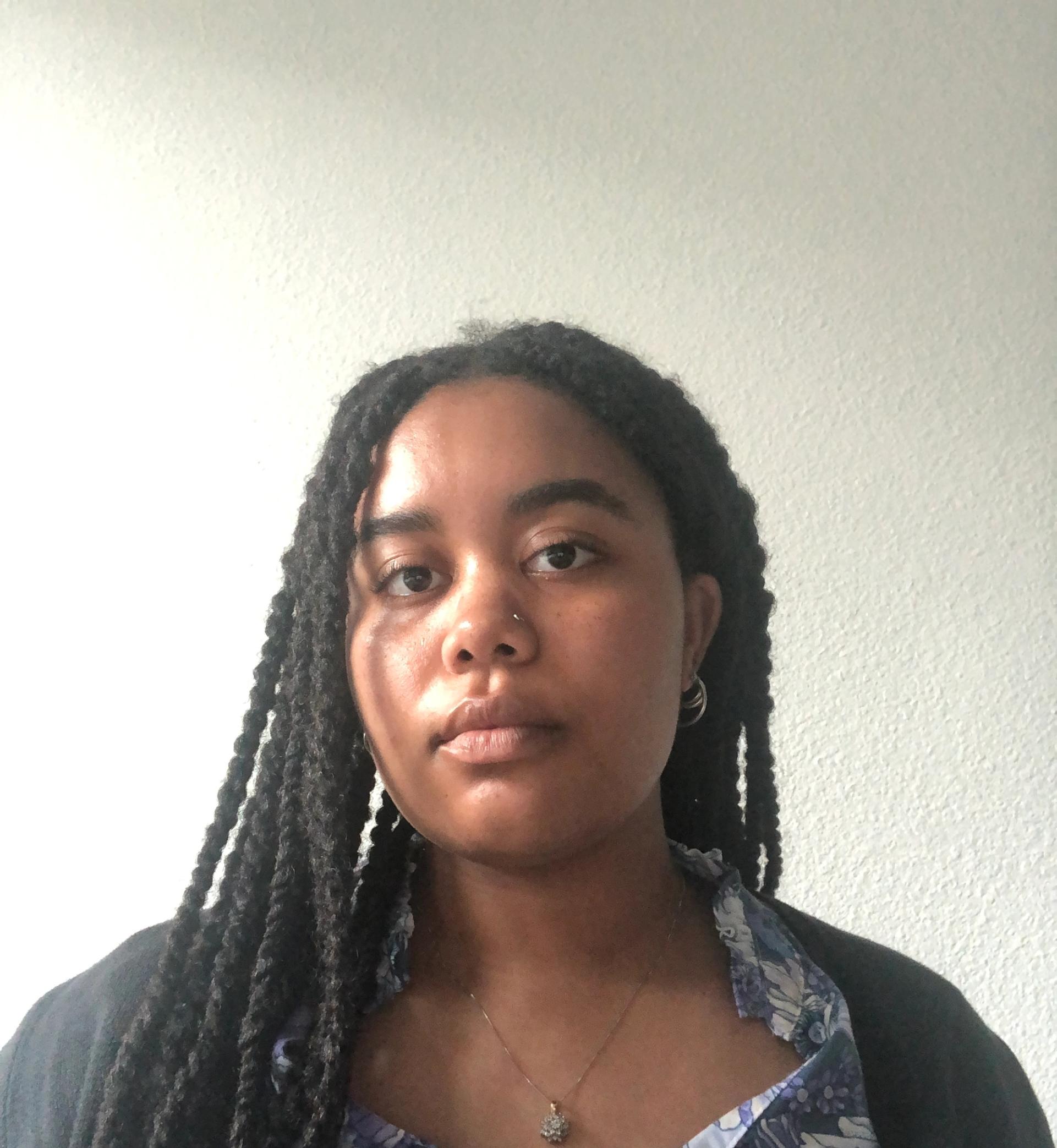
After reading about the cancer cluster in Fifth Ward, Jaila Lewis, a doctoral student at University of Houston, wanted to figure out a way to improve treatment for minorities diagnosed with cancer. She teamed up with University of Houston researcher, Dr. Dinler Amaral Antunes, to design a HEALTH-RCMI Pilot Program study that seeks to develop immunotherapies specifically for underrepresented minorities.
What sparked your interest in the Fifth Ward cancer cluster?
Lewis: “My Dad actually grew up in Texas. I grew up with a lot of Houstonian culture. I was trying to figure out how I could improve things for minorities in my own way. Since I work in a very specific side of science, I figured maybe I could utilize some type of computational biology to address health disparities in these particular neighborhoods. I have quite a few friends that have degrees in public health, so I learned about health disparities, including cancer clusters through them. So, I was wondering if cancer clusters existed in Houston. I came across a Houston Chronicle article, and that’s how I started putting things together.”
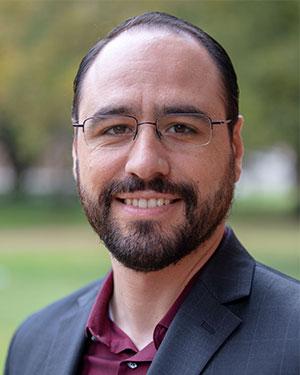
University of Houston researcher, Dr. Dinler Amaral Antunes is working alongside Lewis to improve cancer treatment for minority patients. (Antunes)
What are your goals for this program you’ve developed?
Antunes:
“The short-term goal is to test the specific targets from cancer treatments, considering the genetics of these minority populations, and then try to use computational tools to improve the use of these targets so we can have more efficient treatment for these patients. In the long-term, we want to expand that, so that any patient that comes through a personalized treatment can have a better possible treatment for their particular type of cancer.”
Lewis: “There’s a historical context as to why there’s so little representation of patients of color in medicine and in healthcare, especially in terms of structural data and information. There’s a lot of mistrust between the Black community and healthcare. That’s a short-term goal, to show that there are options being studied currently, specifically for patients of color. Not in a way to exploit them... [but provide] something that they can utilize and benefit from.”
How can healthcare continue to serve underrepresented communities like the Fifth Ward?
Lewis: “[It’s] a multifaceted approach. Having a collection of multiple researchers together. It’s going to take some patience, because of course that trust isn’t going to form overnight. It’s going to take some resilience in actually listening to these particular populations in the first place.”
Antunes:
“The involvement of the community can not happen only on the basis of what we need [as] researchers. We also need to see how we can pair this with something that the community needs. Maybe, there are other researchers taking blood samples for other purposes. We can connect with them to access this information and at the same provide something more complete that can benefit the community.”