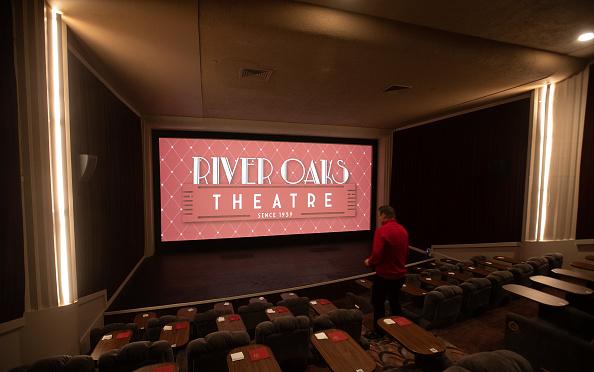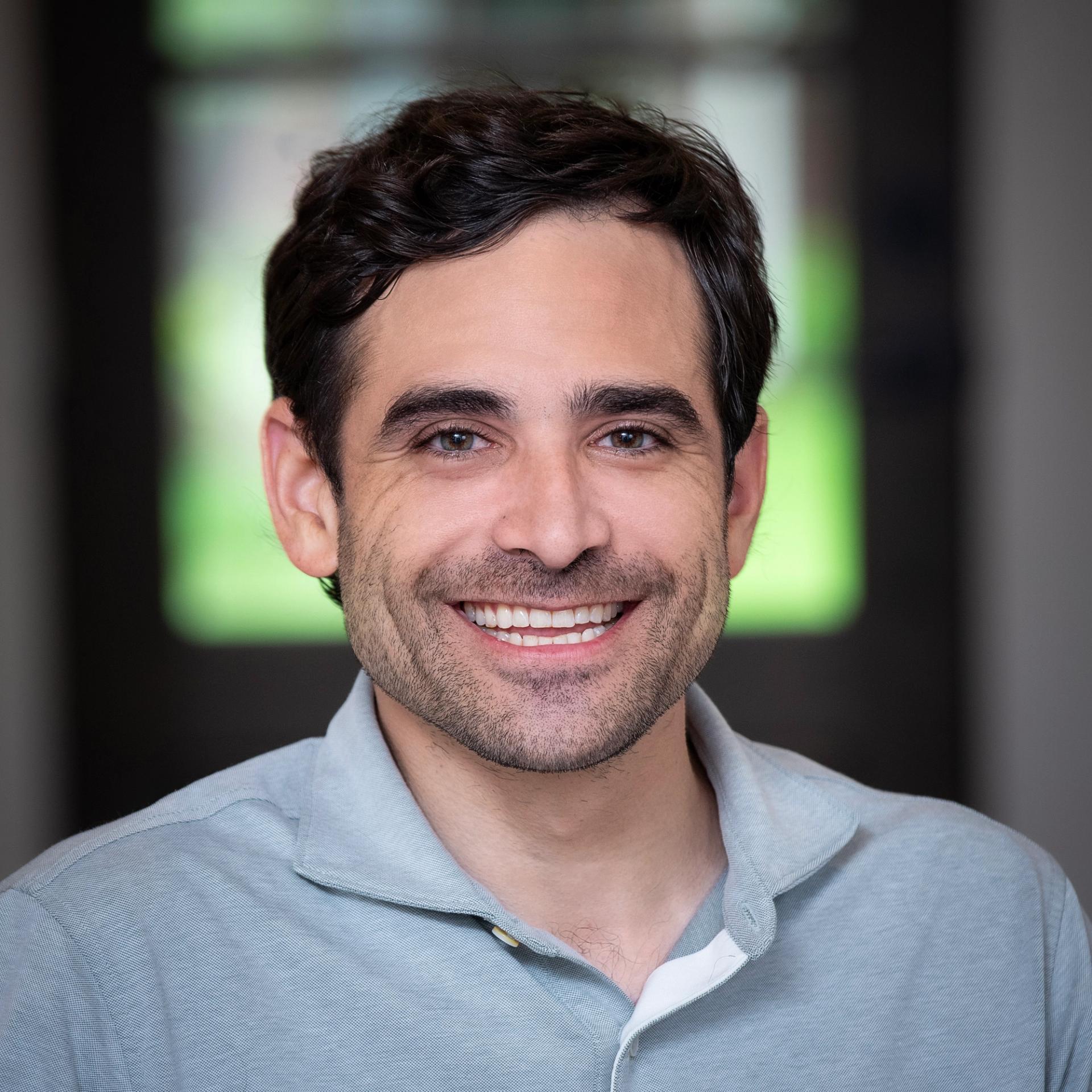
After diving into a pool during a trip in Mexico with his wife and friends, Jeffrey Feinstein suffered a spinal cord injury, which quickly changed his life and propelled him onto a new path advocating for others with disabilities. Feinstein and his wife, Alli, are serving as co-chairs for this year’s ReelAbilities Houston Film & Arts Festival, which celebrates the lives and stories of those with disabilities. On February 28, as part of the festival, he and four other professionals with disabilities will share how to conquer diverse challenges in the workplace.
What was life like before and after your spinal cord injury?
“I sustained a spinal cord injury in October 2018. Life before the injury, at that point, 32 years old, father to three kids. At the time, our twin boys were 5 years old. Our daughter was 2. At that stage in life, as a father, it’s just a lot of hope. After the injury, especially that first year, we’re spending a lot of time just really trying to figure things out, the household, the duties, the relationships. Everything is kind of flipped upside down. My wife and I, we’ve done it together. It’s unorthodox. Our family doesn’t look like everybody else’s family.”
What advice do you have for someone who has a disability in the workplace?
“Be really upfront with your employer about what your needs are. Don’t be afraid to ask for a PC to work from home. Don’t be afraid to ask for adaptive technologies. At the end of the day, we want to contribute. We want to be a part of the success of the company. The only way you can do that is to have the things you need to add value. Maybe, at the beginning, you’re just learning how to write an email, whether it’s with dictation or the back of your pinky. Everything is a building block. You start small. You don’t try and fully replicate everything you were doing before your accident. It just takes a while to build back up.”
What misconceptions do you want to dispel about those with disabilities?
“Not every disabled person is looking to have their hand held and asked if they’re doing okay today. We are out and about. I drive to work. I drive my kids around. I go pick up dinner and whatever. I’m doing it too. I’m in the thick of it. I’m dealing with all the facets of life that a lot of us have in common. We’re not bedridden. We’re not terminal. We are grinding just like everybody else. I think any disabled individual, from top to bottom, will say, ‘Treat me like a human. We don’t want to be treated much differently.’”